Best overall for an existing AquaRite system: Hayward AquaRite. Best for a pool with compatible Pentair equipment: Pentair IntelliChlor. Best for a supported Intex above-ground pool: Intex Krystal Clear. These are the best saltwater chlorinators for pools in 2026 when the equipment match comes first; there is no single best unit for every pool.
- Hayward AquaRite is the best saltwater chlorinator for an existing compatible AquaRite setup.
- Pentair IntelliChlor is the pick for homeowners matching compatible Pentair equipment.
- Intex Krystal Clear belongs on the shortlist for a supported Intex above-ground pool, not every above-ground pool.
- Aqua Turf Solutions provides pool repair and maintenance; confirm your equipment match before choosing a chlorinator.
Why this matters
A saltwater chlorinator makes chlorine from salt dissolved in pool water. It does not remove chlorine from the pool or replace water testing. A poor match between the chlorinator, its control equipment and the pool's plumbing can turn a straightforward purchase into an equipment problem.
Start with what you already own. The model shown on your existing control equipment and the installation manual are more useful than a generic best-of ranking. If you need help with pool repair or ongoing maintenance, Aqua Turf Solutions serves homeowners with swimming pools. Aqua Turf Solutions is a service company, not one of the chlorinator manufacturers ranked here.
For a 2026 purchase, treat brand familiarity as a starting point, not proof of compatibility. Confirm the exact model and installation requirements before ordering a replacement cell or a complete system.
What makes the best saltwater chlorinator for your pool?
- Equipment match: Identify the existing controller and cell before shopping. A replacement cell and a complete chlorination system are different purchases.
- Pool type: Check whether the exact model is intended for your in-ground or above-ground setup. Do not assume that a familiar brand name settles the question.
- Installation requirements: Compare the manual with your plumbing, electrical setup and available equipment space before committing.
- Serviceability: Check which parts the exact system uses and whether a technician can diagnose the setup you have.
- Water-care workload: Look for a system you can inspect, maintain and adjust. Saltwater pools still need routine testing.
Choose the chlorinator that matches the pool and equipment you have, not the one with the longest feature list. That rule matters more than any ranking in this 2026 guide.
Saltwater chlorinators at a glance
| Chlorinator | Best for | Standout feature | Key limitation |
|---|---|---|---|
| Hayward AquaRite | An existing compatible AquaRite setup | A named system to match against an installed AquaRite controller | The AquaRite name alone does not establish that a replacement cell fits |
| Pentair IntelliChlor | Homeowners checking a compatible Pentair setup | A Pentair chlorination option for equipment-specific planning | Compatibility must be checked against the exact equipment and installation instructions |
| Intex Krystal Clear | A supported Intex above-ground pool | An above-ground option to check against a specific pool and pump setup | Not a blanket recommendation for every above-ground or in-ground pool |
The table is a shortlist, not a substitute for a model check. In 2026, record the model numbers on your existing equipment before comparing specifications in the relevant manuals. If you cannot identify the controller or cell, resolve that question before choosing a replacement.
1. Hayward AquaRite: best for an existing AquaRite setup
Hayward AquaRite is a salt chlorination system. It is the clearest starting point when you already have an AquaRite setup and need to identify what belongs with it. The product name narrows the search, but the exact controller and cell models still decide what fits.
Hayward AquaRite pros:
- Gives existing AquaRite owners a specific system name to check against their installed equipment.
- Lets you investigate a replacement without treating every salt system as interchangeable.
- Keeps the purchase focused on the existing setup before you consider changing systems.
Hayward AquaRite cons:
- An AquaRite label on one component does not confirm that every AquaRite-branded cell is compatible.
- A homeowner starting without an existing AquaRite setup still needs to assess installation requirements for a complete system.
Best for: A homeowner whose pool already has a compatible AquaRite setup and who can identify the installed models.
Verdict: Buy only after matching the replacement or complete system to the exact equipment. Hold if you cannot identify the controller, cell or required installation details.
2. Pentair IntelliChlor: best for a compatible Pentair setup
Pentair IntelliChlor is a salt chlorinator to consider when your pool equipment points you toward Pentair. It earns a separate slot from AquaRite because an existing equipment setup is often a better decision aid than a broad brand comparison. Check the precise model and its installation instructions rather than assuming that all Pentair components work together.
Pentair IntelliChlor pros:
- Gives Pentair equipment owners a specific chlorinator family to investigate.
- Supports a model-by-model comparison against the equipment already installed.
- Keeps the focus on the full installation rather than the cell name alone.
Pentair IntelliChlor cons:
- The Pentair name does not, by itself, establish compatibility with every Pentair setup.
- A replacement decision remains incomplete until you identify the required components and installation conditions.
Best for: A homeowner evaluating IntelliChlor against a specific, compatible Pentair equipment setup.
Verdict: Buy when the exact model and installation requirements match. Hold when the decision rests only on the brand name.
3. Intex Krystal Clear: best for a supported above-ground pool
Intex Krystal Clear saltwater systems belong in a different decision branch. They are worth considering if you have an above-ground pool and can verify that the specific system works with your pool and pump setup. They are not a shortcut for selecting equipment for an in-ground pool.
Intex Krystal Clear pros:
- Gives owners of supported above-ground pools a relevant product family to investigate.
- Encourages a check of the pool and pump setup rather than a generic saltwater-system search.
- Keeps above-ground requirements separate from the in-ground equipment choices above.
Intex Krystal Clear cons:
- The Krystal Clear name covers products that still require an exact-model compatibility check.
- It is not the default choice for an in-ground pool or an unsupported above-ground setup.
Best for: An owner of an above-ground pool whose exact pool and pump setup supports the selected Krystal Clear model.
Verdict: Buy after confirming the precise pool, pump and system requirements. Skip if you are selecting equipment for an in-ground pool.
Before you choose: check the system you actually have
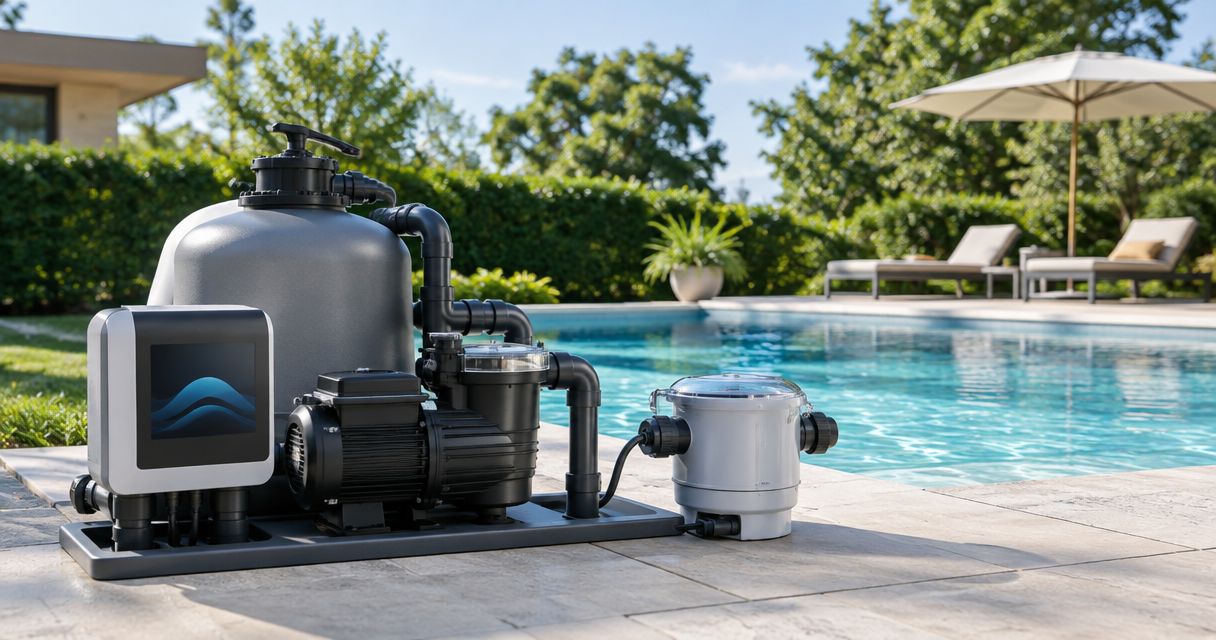
The fastest useful comparison starts at the equipment pad, not a search result. Write down the model names from the chlorinator, controller and pump, then find the installation documents for the exact unit you are considering. A cell-only replacement and a new saltwater system call for different checks.
Use this order for a 2026 decision:
- Identify the existing setup. Note which components are installed and which one needs repair or replacement.
- Confirm the pool type. Separate in-ground and above-ground options before comparing models.
- Read the model-specific instructions. Check the required equipment, plumbing and electrical conditions.
- Plan for water testing. Select equipment you can operate and maintain without skipping routine pool care.
If the labels are unreadable or you are unsure which component has failed, do not order a cell based on appearance. Diagnose the existing setup first. That is especially important when the pool has more than one brand of equipment.
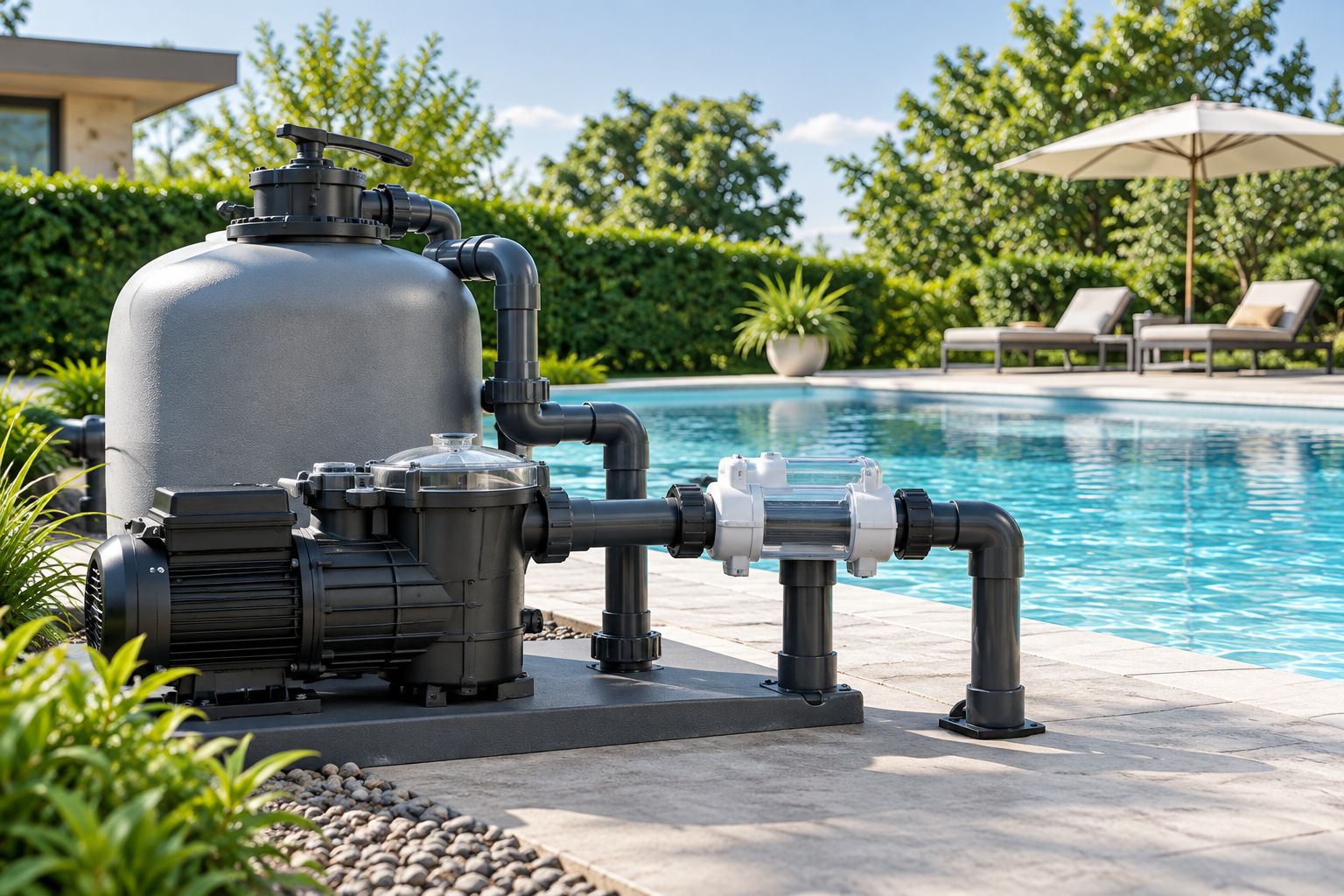
A saltwater pool still needs chlorine checks
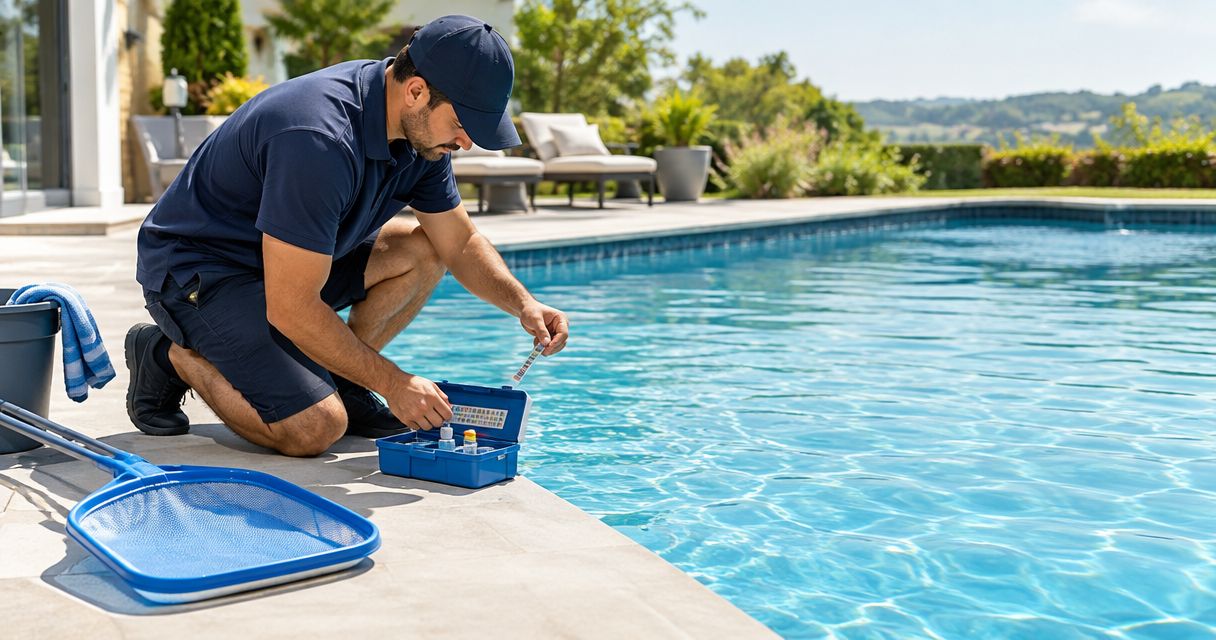
Salt systems produce chlorine, but they do not tell you everything about the water. Test free chlorine and pH as part of routine care, and follow the applicable instructions for your pool and chlorinator. Do not treat clear-looking water as a substitute for a test result.
CDC swimming-pool guidance calls for at least 1 ppm free chlorine in pools, or at least 2 ppm when cyanuric acid is used. Its recommended pH range is 7.0–7.8. In concentration terms, 1 ppm equals 1 mg/L in water. Those numbers describe water-care targets; they do not establish that a particular chlorinator fits your pool.
A 2026 buying decision has two parts: match the equipment, then maintain the water. If a system is correctly matched but chlorine readings are not where they need to be, investigate the water and equipment rather than assuming that salt alone solves the problem.
How this ranking works
This is a use-case ranking, not a claim that one manufacturer beats the others in every pool. Hayward AquaRite ranks first for an existing compatible AquaRite setup; Pentair IntelliChlor has its own slot for a compatible Pentair setup; Intex Krystal Clear is the above-ground option when the precise pool and pump requirements match.
The same criteria apply to every pick: equipment match, pool type, installation requirements, serviceability and ongoing water care. No listed product gets a pass on compatibility. None replaces testing, and none should be bought solely because its name appears first in a 2026 roundup.
Which saltwater chlorinator should you choose?
Choose Hayward AquaRite if you already have a compatible AquaRite setup and have verified the exact replacement requirements. Choose Pentair IntelliChlor when the precise model fits your Pentair equipment and installation. Choose Intex Krystal Clear for a supported Intex above-ground pool after checking the pool and pump requirements.
If you are starting from scratch or cannot identify what is installed, the default is hold off on buying. Confirm the pool type, equipment and installation requirements first. For homeowners dealing with a malfunction rather than a planned upgrade, Aqua Turf Solutions offers pool repair and maintenance services; the service question is separate from which manufacturer makes the chlorinator.
FAQ
What is the best saltwater chlorinator for pools in 2026?
Hayward AquaRite is the best starting point for an existing compatible AquaRite setup. Pentair IntelliChlor and Intex Krystal Clear serve different equipment and pool-type needs, so verify the exact model before buying.
Is Hayward AquaRite better than Pentair IntelliChlor?
Hayward AquaRite is the better starting point for a compatible existing AquaRite setup; Pentair IntelliChlor is the better starting point for a compatible Pentair setup. Neither brand name proves that a specific cell fits your equipment.
Is Intex Krystal Clear suitable for an in-ground pool?
Intex Krystal Clear is not the default recommendation for an in-ground pool. Check the instructions for the exact model and choose a system specified for your pool and equipment.
Can I replace just the salt cell?
You can consider a cell-only replacement when the exact cell is compatible with the installed system and the cell is the component that needs replacement. Identify the controller and diagnose the problem before ordering.
Does a saltwater pool still contain chlorine?
Yes. A saltwater chlorinator makes chlorine from dissolved salt, so you still need to test free chlorine and maintain the water.
What chlorine level does a saltwater pool need?
CDC guidance calls for at least 1 ppm free chlorine in pools, or at least 2 ppm when cyanuric acid is used. Follow the instructions and testing requirements applicable to your pool.
Should I choose a chlorinator before checking my pool equipment?
No. Record the existing equipment models and check the proposed chlorinator's installation instructions first. A familiar brand name is not a compatibility check.
One last thing
The most useful detail on a salt chlorinator is often the model identifier already attached to your equipment. Find it before comparing systems in 2026. That one check separates a plausible shortlist from a confirmed fit, and it can prevent you from buying a replacement for the wrong component.