Best overall: a standalone variable-speed pool pump. Best for an existing pool controller: an automation-compatible variable-speed pump. Best for straightforward fixed-speed operation: a two-speed pump. Best for an above-ground pool: a variable-speed pump rated for that installation. This 2026 guide compares pump types and explains what to confirm before replacing your equipment or arranging seasonal pool service.
- The best energy efficient pool pumps match your plumbing, required flow, electrical supply, and controls.
- Choose a standalone variable-speed pool pump for adjustable everyday filtration without an existing automation system.
- Choose an automation-compatible variable-speed pump when your pool controller must manage pump operation.
- Aqua Turf Solutions offers residential pool maintenance and seasonal opening and closing services.
- Before seasonal closing, request a written scope covering your pump, equipment, and any separate repairs.
Why this matters
An efficient pump is not simply a smaller motor. Your pool needs enough water movement for filtration and any connected equipment, without running harder than the job requires. Choosing by horsepower alone misses the plumbing, controls, and operating schedule that determine how the pump works.
Aqua Turf Solutions is a service option for homeowners who need pool maintenance, repairs, or seasonal opening and closing. Start an appointment inquiry through Aqua Turf Solutions and describe your existing equipment and the work you need.
For homeowners in Acworth, Marietta, Woodstock, Kennesaw, Dallas, Austell, Smyrna, and Douglasville, confirm service coverage for your address when you inquire. A pump replacement and a seasonal closing are separate decisions; ask for each task to appear clearly in the proposed scope.
What makes the best energy efficient pool pumps?
Use these criteria before comparing equipment for your 2026 pool season:
- Adjustable operation: Variable-speed control lets you match pump operation to different jobs instead of using one setting for everything.
- Correct hydraulic fit: Select a pump for the flow your pool needs against the resistance of its plumbing and equipment.
- Equipment compatibility: Check the filter, heater, chlorinator, cleaner, and water features before setting operating speeds.
- Control compatibility: Confirm whether the pump works independently or communicates with your existing controller.
- Installation suitability: Check electrical requirements, connection sizes, placement, and the manufacturer's installation instructions.
- Seasonal practicality: Choose equipment with accessible maintenance information and a clear shutdown and restart procedure.
A pump that meets these criteria earns its place on the shortlist. A pump with an appealing efficiency claim but an unresolved installation requirement does not.
Energy-efficient pool pumps at a glance
These recommendations rank installation types, not specific manufacturers. Choose the row that describes your pool, then compare models within that category.
| Pump type | Best for | Standout feature | Key limitation |
|---|---|---|---|
| Standalone variable-speed pool pump | Everyday filtration without central automation | Adjustable speeds and independent scheduling | Requires setup for the pool's actual flow needs |
| Automation-compatible variable-speed pump | A pool managed by an existing controller | Coordinated pump and equipment operation | Communication compatibility must be confirmed |
| Two-speed pool pump | Straightforward low/high operation | Two distinct operating settings | Less adjustment than variable-speed control |
| Above-ground-rated variable-speed pump | An above-ground installation | Adjustable operation in a suitable installation category | Rating alone does not establish hydraulic or electrical fit |
The default choice is a variable-speed pump matched to your pool, not the largest pump that fits the equipment pad.
1. Standalone variable-speed pump: best for everyday filtration
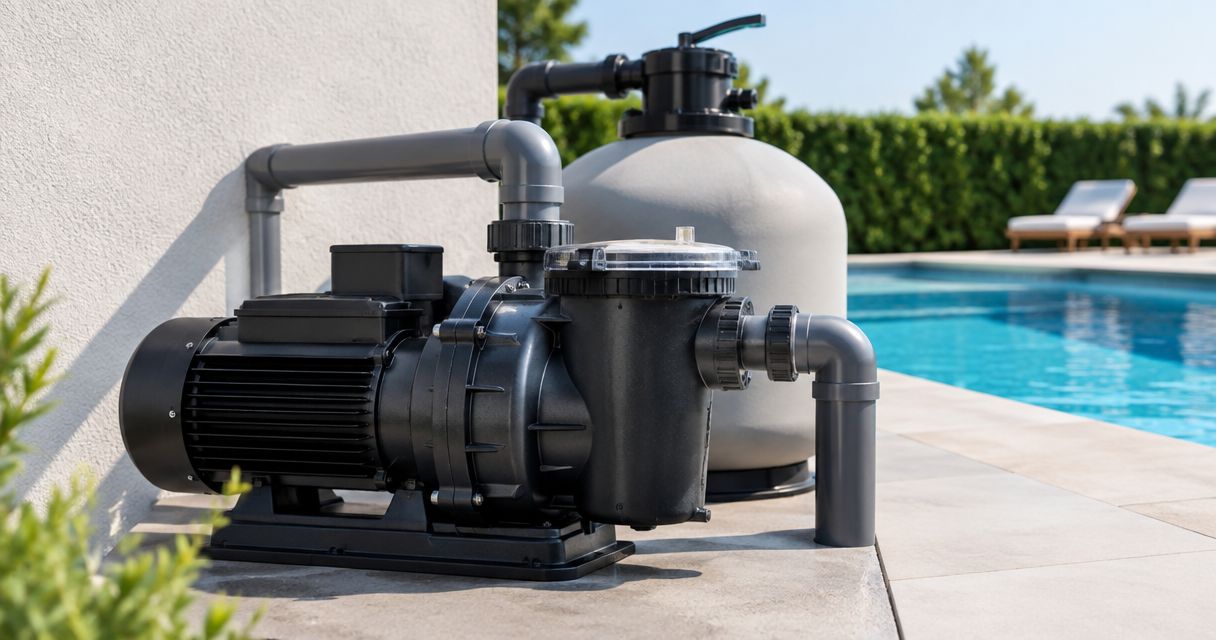
A standalone variable-speed pool pump lets you adjust motor speed without relying on a separate pool automation controller. You can assign suitable settings to routine filtration and other tasks, subject to the pump's controls and your equipment requirements.
This is the first category to consider when your pool has a conventional equipment pad and you want independent pump scheduling. Installation and setup still matter: an adjustable pump running unnecessarily fast loses much of the reason for choosing adjustable operation.
Standalone variable-speed pump pros:
- Supports different operating speeds for different pool tasks.
- Allows routine filtration to use a setting selected for that job.
- Does not require an existing central controller when independently operated.
- Gives the installer room to tune operation to the connected equipment.
Standalone variable-speed pump cons:
- Incorrect programming can waste energy or leave equipment without adequate flow.
- Independent controls do not automatically coordinate every connected device.
- Electrical and plumbing compatibility still require checking.
Best for: Homeowners who want adjustable everyday filtration without central automation.
Before approving a replacement, ask which settings will run filtration, which tasks require another setting, and how you will change the schedule. Request that operating information with the installation handover.
Verdict: Buy this category for a standard filtration setup after confirming the hydraulic and electrical fit.
2. Automation-compatible pump: best for existing pool controls
An automation-compatible variable-speed pump combines adjustable operation with communication supported by a pool controller. Compatibility depends on the specific pump and control system; a variable-speed label alone does not establish that connection.
This category makes sense when your controller already manages filtration, heating, or other equipment. The goal is coordinated operation rather than a second, competing schedule at the pump.
Automation-compatible pump pros:
- Supports coordinated operation when the pump and controller communicate correctly.
- Allows compatible equipment tasks to use appropriate pump settings.
- Keeps scheduling within the existing control system when supported.
- Reduces the need to manage unrelated schedules separately.
Automation-compatible pump cons:
- Compatibility must be checked against the exact controller and pump models.
- Communication wiring and programming add installation requirements.
- Controller settings can become harder to troubleshoot without clear documentation.
Best for: Homeowners whose existing automation system needs to control the replacement pump.
For a 2026 replacement, give the installer the controller model as well as the old pump information. Ask who will configure the system and demonstrate how to switch between normal filtration and other equipment tasks.
Verdict: Buy this category when verified controller compatibility is part of the installation scope.
3. Two-speed pump: best for simple low/high operation
A two-speed pool pump provides low and high operating settings rather than a wider adjustable range. That makes its operating choices straightforward, but limits how closely you can match speed to each task.
Consider this category when simple fixed-speed operation is the priority and both settings suit the installation. Do not assume it matches the energy performance of a correctly configured variable-speed pump.
Two-speed pump pros:
- Provides a lower-speed option instead of only one operating speed.
- Keeps everyday operating choices limited to low and high.
- Offers a clear distinction between routine and higher-flow tasks when correctly selected.
Two-speed pump cons:
- Cannot fine-tune speed between the available settings.
- The low setting must still meet connected equipment requirements.
- The high setting can move more water than a particular task needs.
Best for: Homeowners who prioritize straightforward fixed-speed controls over fine adjustment.
Ask whether the proposed control arrangement actually switches between both settings. A pump installed without suitable switching or scheduling does not deliver the intended operating flexibility.
Verdict: Hold until the installer explains why two-speed operation suits your pool better than adjustable control.
4. Above-ground-rated variable-speed pump: best for above-ground pools
An above-ground-rated variable-speed pump belongs on the shortlist when the installation calls for that equipment category. Adjustable speed is useful only after the pump's installation requirements match the pool layout.
Check the pump position relative to the water, its priming requirements, the plumbing connections, and the electrical supply. Do not treat an above-ground rating as permission to ignore the manufacturer's instructions.
Above-ground-rated variable-speed pump pros:
- Combines adjustable operation with an installation category relevant to above-ground pools.
- Supports settings tailored to the pool's filtration needs.
- Keeps suitability checks focused on the actual pool layout.
Above-ground-rated variable-speed pump cons:
- Not every pump suits every equipment location or plumbing arrangement.
- Electrical requirements can differ from the existing installation.
- Connected filters and accessories still need adequate flow.
Best for: Above-ground pool owners replacing equipment within a suitable installation arrangement.
Photograph the pool connections and equipment position before requesting a quote. Those details help define the work more clearly than a request for an efficient pump alone.
Verdict: Buy only after confirming installation suitability, electrical requirements, and required flow.
How we ranked these pump types
The ranking prioritizes adjustable operation, installation fit, and control compatibility. Standalone variable-speed pumps are the default for independent filtration; automation-compatible pumps take priority when an existing controller must manage operation.
Two-speed pumps fill a narrower simplicity-first role. Above-ground-rated pumps serve an installation-specific need rather than competing directly with equipment intended for a different layout.
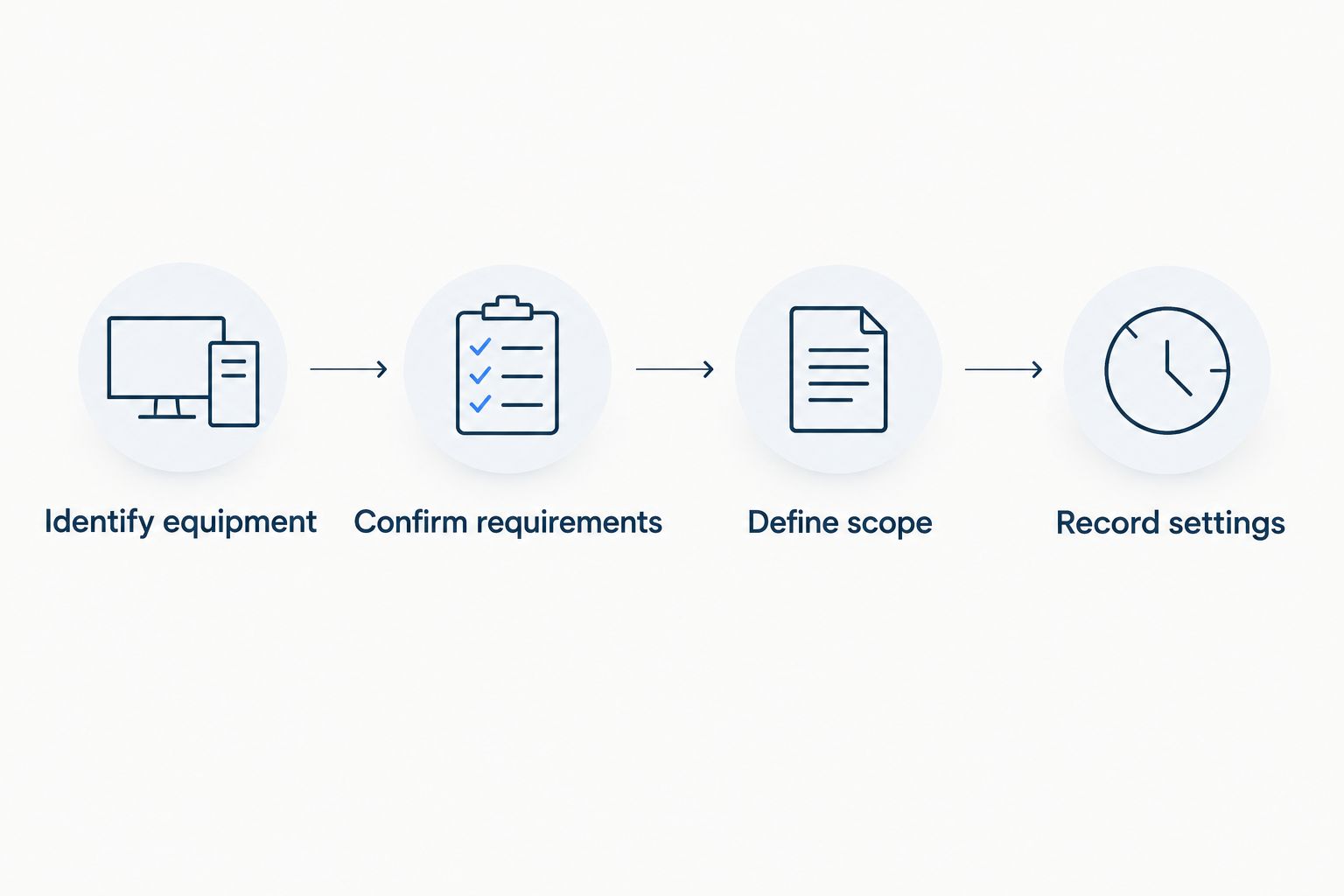
Before replacing your pump: follow these steps
A useful 2026 replacement quote should explain the equipment choice and the installation work. Gather the following information before requesting an appointment.
Identify equipment
Photograph the pump label, filter, heater, chlorinator, and controller. Note leaks, unusual noise, failed starts, and any operating changes you have noticed. Do not diagnose every symptom as a failed pump; request an assessment of the problem.
Confirm requirements
Ask the installer to check plumbing resistance, required flow, electrical supply, and control compatibility. Include water features and cleaners that depend on the circulation system. A replacement recommendation should account for those tasks rather than focus only on motor size.
Define scope
Request a written description of equipment removal, installation, connection changes, configuration, and any separate repairs. Ask which tasks belong to the replacement quote and which require separate approval. Clear scope makes quotes easier to compare without guessing what is included.
Record settings
Ask for the final operating schedule and the purpose of each programmed setting. Keep the information with your pool records. That record helps when equipment is serviced, power is interrupted, or the pool is reopened.
Read energy information without falling for a headline
Power and energy are different measurements. A pump drawing 1 kilowatt for 1 hour uses 1 kilowatt-hour of electricity. Your electricity bill reflects energy used over time, not the motor's horsepower label alone.
When comparing operation, look at the pump's power draw at the settings needed for your pool and the time spent at each setting. A longer schedule at a lower speed is not automatically the right answer; filtration and connected equipment requirements still determine acceptable operation.
For your 2026 pool records, track the schedule, programmed speeds, and available power readings. Compare like-for-like operating tasks instead of assuming a single advertised efficiency figure describes your installation.
Coordinate pump work with seasonal closing
A pump replacement does not establish what a closing appointment includes. Aqua Turf Solutions offers pool opening and closing services, so describe both needs when requesting an appointment and ask for separately defined work.
A closing plan can address water condition, cleaning, equipment shutdown, plumbing protection, and cover handling. These are scope items to confirm, not a statement that every task is included in a particular service.
Ask these questions before approving your 2026 closing:
- What preparation must you complete before the appointment?
- How will the pump and connected equipment be shut down?
- What plumbing-protection work is specified for your installation?
- Is cover handling part of the quoted scope?
- Are existing leaks or pump faults separate repair items?
- What instructions will you receive for the closed pool?
Do not choose a closing date from the calendar alone. Discuss how you use the pool and how equipment will be maintained until shutdown. Ask for fair pricing against a clearly defined scope rather than comparing unexplained totals.
Request a seasonal service appointment
Describe your pool, pump concerns, and opening or closing needs. Confirm address coverage and the quoted scope.
Which energy-efficient pool pump should you choose?
Choose a standalone variable-speed pump unless your controls or installation point to another category. Select an automation-compatible model when the existing controller must manage it, and select above-ground-rated equipment when that installation requires it.
Keep two-speed equipment on the shortlist only when its fixed settings serve your needs. Before authorizing work, confirm the equipment choice, installation scope, programming, and seasonal shutdown procedure in writing.
FAQ
What's the best energy-efficient pool pump for a residential pool?
A correctly sized variable-speed pool pump is the default choice for adjustable residential filtration. Choose a standalone or automation-compatible model according to your controls, and confirm plumbing and electrical fit before installation.
Is a variable-speed pool pump better than a two-speed pump?
A variable-speed pump offers more operating adjustment than a two-speed pump. That flexibility helps match operation to different tasks, but the settings still need to meet your pool's flow requirements.
Can I connect any variable-speed pump to my pool controller?
No, controller compatibility must be verified for the specific pump and automation system. Confirm communication support, connection requirements, and who will configure the controls.
How much does an energy-efficient pool pump replacement cost?
Request a written quote for the equipment and defined installation scope. Plumbing changes, electrical work, control configuration, and separate repairs affect what the quote covers.
Should I replace my pump before closing my pool?
Base that decision on the pump's condition and the planned closing procedure. Ask the service provider whether repair or replacement is needed for the work and whether it will be quoted separately.
What should a pool-closing quote explain?
A pool-closing quote should identify the agreed preparation, equipment shutdown, plumbing protection, and cover-related tasks. Confirm exclusions, homeowner responsibilities, and separate repairs before accepting the scope.
How do I request seasonal pool service from Aqua Turf Solutions?
Start an inquiry through the company's website and describe your address, pool equipment, and opening or closing needs. Confirm coverage for your location, the appointment process, and the quoted work before making arrangements.
One last thing
Photograph the final pump settings before seasonal shutdown. Store those pictures with the installation documents and closing instructions, but do not assume reopening requires identical settings: ask the service provider to confirm them against the equipment's condition and current operating needs.