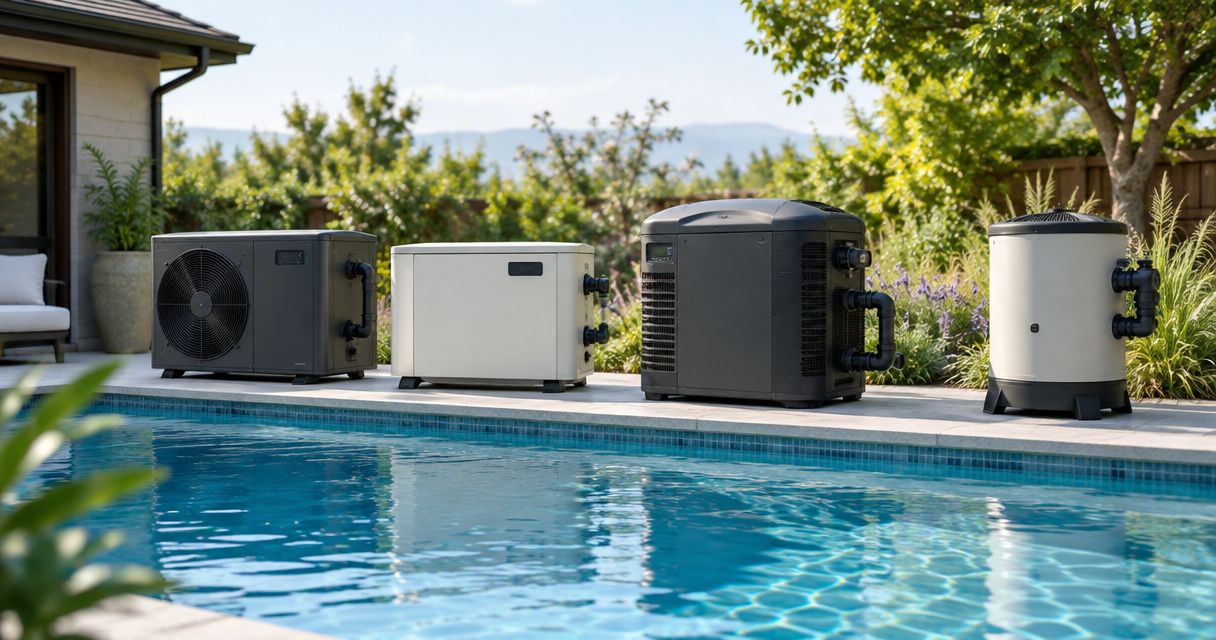
Best overall: an air-source heat pump. Best for minimizing purchased heating energy: solar pool heating. Best for occasional cold-weather heating: a gas pool heater. This 2026 guide to pool heaters ranked by energy efficiency helps Acworth-area homeowners choose a heating method without confusing season extension with winter protection.
- Pool heaters ranked by energy efficiency: solar minimizes purchased heating energy; heat pumps offer controllable electric heating.
- Heat pumps suit regular swimming; gas heaters suit occasional heating when outdoor temperatures are lower.
- Aqua Turf Solutions provides pool opening and closing services; request a clearly defined seasonal service scope.
- Choose your closing plan before extending swimming into colder weather.
Why this matters for your pool season
A heater can extend swimming, but it does not replace a pool-closing plan. For homeowners in Acworth, Marietta, Woodstock, Kennesaw, Dallas, Austell, Smyrna, and Douglasville, the practical question is whether extra swim days justify continued heating, filtration, cleaning, and water care.
Aqua Turf Solutions offers residential pool repair, maintenance, opening, and closing services. Request an appointment through the website, confirm service for your address, and explain whether you want to keep swimming or prepare the pool for seasonal shutdown.
Aqua Turf Solutions is a service option for homeowners who need pool opening or closing, rather than a heater-shopping destination. Keep the equipment decision separate from the seasonal service quote so you understand exactly what work you are requesting.
What makes the best energy-efficient pool heater?
For your 2026 decision, compare heating methods against these criteria before comparing individual equipment:
- Purchased energy: Separate electricity or fuel consumption from heat collected directly from sunlight.
- Operating conditions: Check the outdoor temperatures and sunlight conditions under which the system delivers useful heat.
- Swimming schedule: Distinguish regular temperature maintenance from heating a cool pool for an occasional swim.
- Heat retention: Account for evaporation and nighttime heat loss, not just the heater's efficiency rating.
- Installation fit: Check electrical capacity, fuel supply, collector space, equipment access, and compatibility with your pool.
- Seasonal shutdown: Confirm how the heater and associated plumbing must be protected when the pool closes.
A higher efficiency rating does not answer every buying question. A system that depends on sunny weather serves a different purpose from one designed to heat on demand.
Pool heaters ranked by energy efficiency at a glance
This ranking prioritizes reduced purchased energy for regular pool heating. It is not a model-by-model laboratory comparison, and solar heating has no directly interchangeable efficiency rating with a heat pump's coefficient of performance.
| Rank and heating method | Best for | Standout feature | Key limitation |
|---|---|---|---|
| 1. Solar pool heating | Sunny-weather swimming with low purchased heating energy | Collects solar heat rather than generating it from fuel | Heat delivery depends on sunlight and installation conditions |
| 2. Air-source heat pump | Regular swimming with a controlled temperature | Moves heat from outdoor air into pool water | Performance falls as outdoor air gets colder |
| 3. Gas pool heater | Occasional swimming and colder-weather heat demand | Generates heat without depending on warm outdoor air | Burns fuel whenever it supplies heat |
| 4. Electric resistance heater | Applications where direct electric heating is specifically appropriate | Converts electricity directly into heat | Uses more electricity per unit of heat than a heat pump under suitable conditions |
Best overall does not mean first under every measurement. Solar ranks first for avoiding purchased heating energy; an air-source heat pump is the default recommendation when you want more controllable heating for regular swimming.
1. Solar pool heating: best for sunny-weather swimming
Solar pool heating circulates pool water through collectors that absorb sunlight. The collectors add heat while circulation moves water through the system; solar heating does not mean the pump uses no electricity.
Choose this method when your swimming schedule can follow suitable weather and your property has an appropriate collector location. It is less suited to a firm temperature target regardless of cloud cover or season.
Solar pool heating pros:
- Uses sunlight as the heating source.
- Avoids burning gas to produce pool heat.
- Can support a longer swimming season when conditions suit the installation.
Solar pool heating cons:
- Clouds, shading, and cooler conditions reduce useful heat delivery.
- Requires suitable collector space and plumbing.
- Cannot promise a particular swimming temperature on demand.
Best for: Homeowners who prioritize reduced purchased heating energy over a fixed swimming temperature.
Before choosing solar for your 2026 season, ask how collector orientation, shading, circulation, and seasonal drainage affect your property. Do not treat a sunny backyard as proof that every collector location works.
Verdict: Buy solar pool heating when the site suits it and weather-dependent swimming fits your plans.
2. Air-source heat pump: best for regular temperature control
An air-source pool heat pump uses electricity to transfer heat from outdoor air into pool water. Unlike electric resistance heating, it moves existing heat rather than producing all the heat directly from electricity.
The U.S. Department of Energy's pool heat-pump guidance gives a typical coefficient of performance, or COP, range of 3–7. In energy terms, that means 1 kWh of electricity produces approximately 3–7 kWh of heat under the relevant rating conditions—not a guaranteed result in your backyard.
Air-source heat pump pros:
- Delivers more heat per unit of electricity than resistance heating under suitable conditions.
- Supports regular temperature maintenance.
- Does not require an on-site gas supply.
Air-source heat pump cons:
- Colder outdoor air reduces performance.
- Requires appropriate electrical capacity and installation clearance.
- Heat output and warm-up time depend on the equipment and conditions.
Best for: Homeowners who swim regularly and want controlled heating during suitable weather.
For a 2026 comparison, check the conditions behind each published rating. The Department of Energy notes that pool heat pumps work efficiently when outdoor air remains above approximately 45–50°F; check the selected model's operating limits rather than assuming identical cold-weather performance.
Verdict: Buy an air-source heat pump as the default for regular swimming when its operating conditions fit your season.
3. Gas pool heater: best for occasional cold-weather heating
A gas pool heater burns natural gas or propane to heat pool water. Its ability to generate heat does not depend on extracting warmth from outdoor air, making it a different choice from a heat pump.
Gas belongs in this comparison because the most efficient technology is not always the best match for an occasional heating schedule. That does not make gas the lowest-energy option.
Gas pool heater pros:
- Supplies heat without relying on warm outdoor air.
- Fits on-demand heating needs.
- Offers a practical alternative where suitable fuel infrastructure exists.
Gas pool heater cons:
- Consumes fuel whenever it produces heat.
- Requires suitable fuel supply, venting, and installation clearances.
- Heating an uncovered pool still loses energy through evaporation.
Best for: Homeowners who prioritize occasional heating or colder-weather operation over minimum purchased energy.
Ask for the selected heater's thermal efficiency, heating capacity, and installation requirements. Do not compare thermal efficiency directly with a heat pump's COP as if both were the same percentage scale.
Verdict: Buy a gas pool heater for a specific on-demand need; skip it as the default energy-saving choice.
4. Electric resistance heater: best for a specific installation need
Electric resistance heating passes electricity through a heating element. At the heating element, approximately 1 kWh of electricity becomes 1 kWh of heat; a heat pump can transfer several times that heat under suitable conditions.
This makes resistance heating a limited recommendation for an outdoor residential pool when electricity efficiency is the main goal. Installation suitability alone does not make it the most efficient choice.
Electric resistance heater pros:
- Does not require a gas supply.
- Does not rely on extracting heat from outdoor air.
- Uses a straightforward direct-heating process.
Electric resistance heater cons:
- Requires more electricity per unit of heat than a suitably operating heat pump.
- Electrical supply requirements need careful assessment.
- Does not solve heat loss from the water surface.
Best for: A specific application where a qualified installer confirms direct electric heating is appropriate.
Verdict: Skip electric resistance heating as the default energy-efficiency choice for an outdoor residential pool.
Reduce heat loss before replacing your heater
Pool-water evaporation carries heat away. The Department of Energy identifies evaporation as the largest source of energy loss from swimming pools, so heater selection should include a plan for retaining heat.
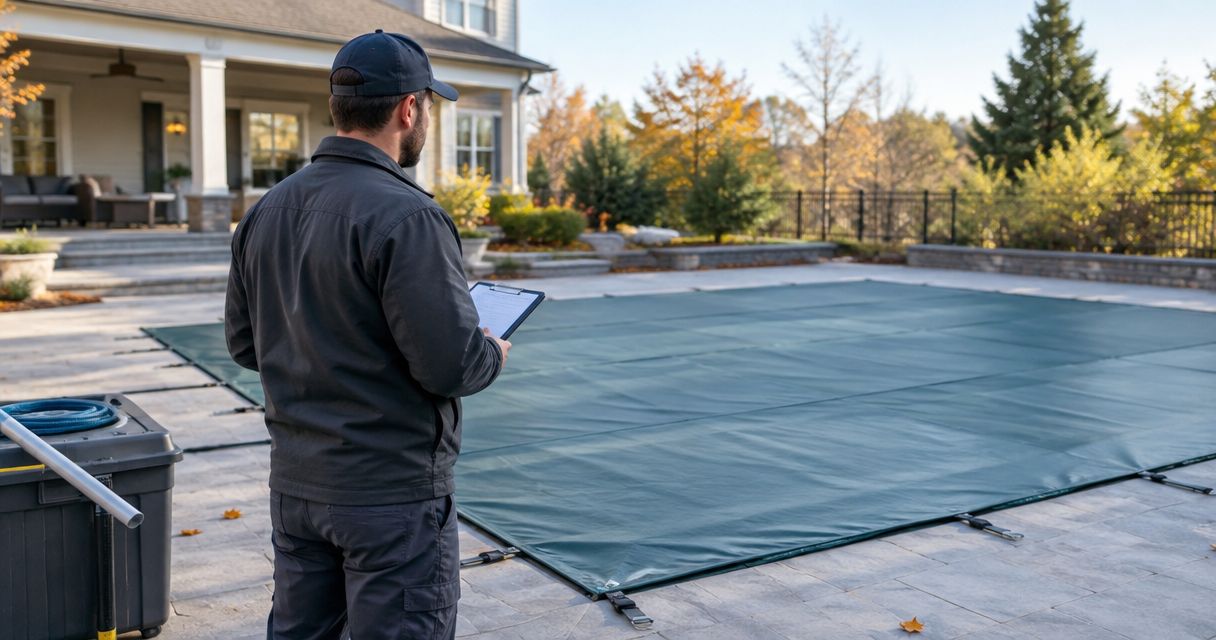
Use an appropriate pool cover according to its instructions when the pool is not in use. Review solar pool covers for heat retention, but keep heat retention and safety separate: a solar cover is not a substitute for a safety barrier or an appropriate winter cover.
Also check your temperature setting and heating schedule. Heating for swimming you actually plan is a different decision from maintaining warm water throughout a period when nobody uses the pool.
Plan the closing before extending the season
For your 2026 pool closing, settle the shutdown plan before relying on a heater for extra swim days. Heating pool water is not the same as protecting every pipe, valve, and equipment component from freezing.
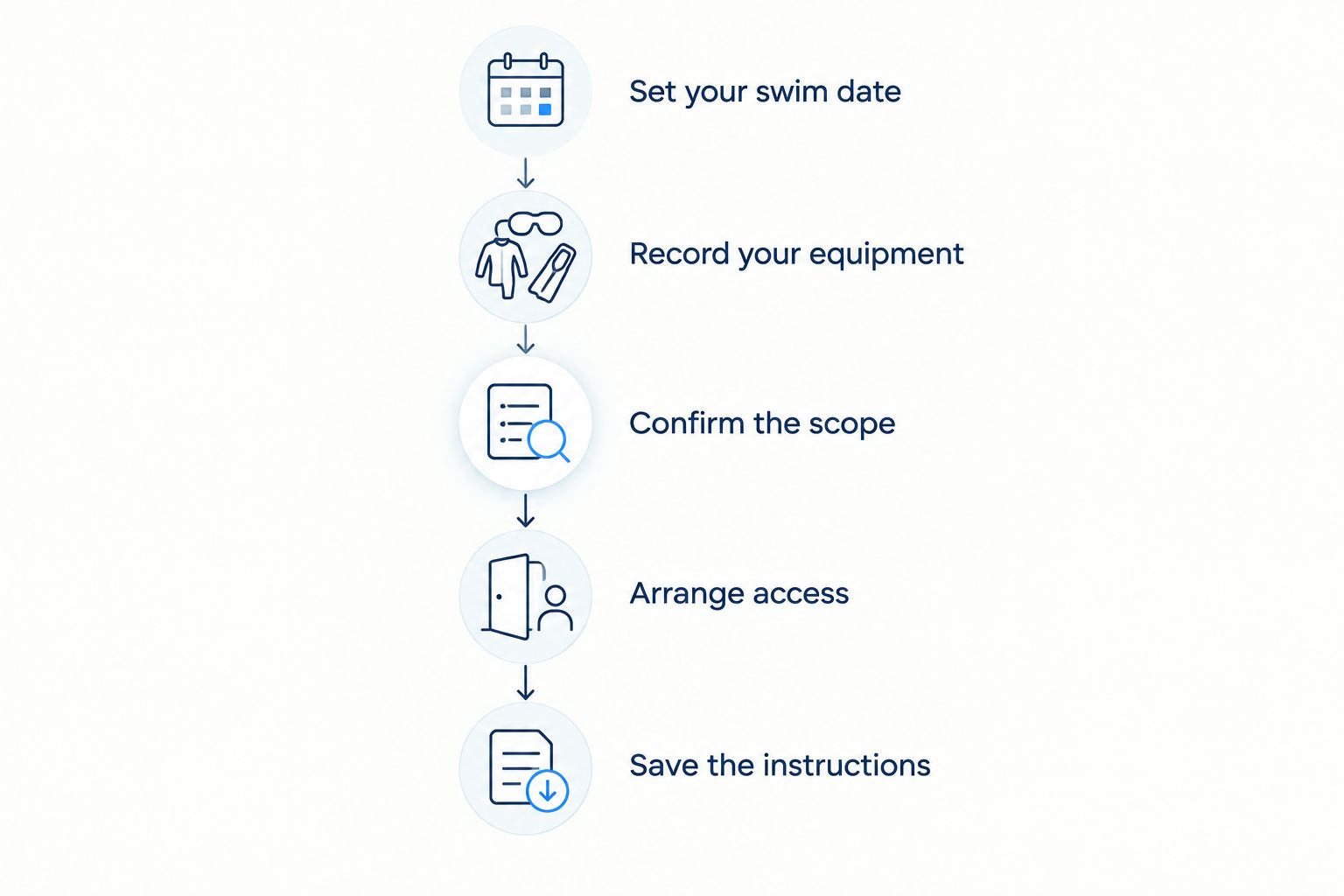
1. Set your swim date
Choose when you intend to stop swimming. Tell the service provider whether that date depends on weather or whether you need a firm shutdown plan.
2. Record your equipment
Identify the heater type, pool construction, cover type, and connected equipment. Share known leaks, heater faults, or unusual noises separately so the requested closing scope does not hide a repair need.
3. Confirm the scope
Ask which tasks the closing quote includes. Items to clarify include water preparation, cleaning, water-level adjustment where appropriate, plumbing winterization, equipment drainage, heater shutdown, cover fitting, and accessory storage.
These are questions for the quote, not a claim that every closing includes every task. The pool's construction, equipment instructions, and cover requirements determine the appropriate work.
4. Arrange access
Explain how the technician can reach the pool, equipment, and stored cover. Confirm whether you need to prepare anything before the appointment and whether an adult must be present.
5. Save the instructions
Keep the closing scope and any aftercare instructions. Ask what you must monitor afterward, including the cover and water level where applicable, and how to prepare for reopening.
Aqua Turf Solutions pool closing requests should describe your address, equipment, intended final swim date, and any repair concerns. Confirm that the company serves your address before making arrangements.
Request your seasonal pool appointment
Share your address, heater type, and closing needs. Confirm service coverage and the quoted scope.
How the ranking works
The 2026 ranking compares heating methods by purchased energy, operating conditions, swimming schedule, installation fit, and shutdown requirements. The heat-pump and resistance-heating explanations use established energy principles and the Department of Energy's pool-heating guidance; no model testing or local operating-cost results are claimed.
For fair pricing, request a written scope that distinguishes seasonal closing from repairs or equipment work. Compare the same tasks across quotes, rather than assuming every service called a pool closing includes identical work.
Which pool heating method should you choose?
Choose an air-source heat pump for regular swimming, solar for weather-dependent heating with low purchased energy, and gas for a specific occasional heating need. Skip resistance heating as the default when electricity efficiency drives the decision.
Then decide whether more swimming or a planned closing better fits your household. A heater choice should support that decision, not postpone it indefinitely.
FAQ
What's the most energy-efficient way to heat a pool?
Solar pool heating minimizes purchased heating energy when sunlight and the installation suit the pool. An air-source heat pump is the stronger default for controlled electric heating during suitable weather.
Is a pool heat pump better than a gas heater?
A pool heat pump is the better default for regular heating when outdoor temperatures suit its operation. Gas better fits a specific need for occasional heating or heat production in colder air.
Will a pool heater keep my pool safe through winter?
A pool heater does not replace winterization. Follow the equipment instructions and confirm a closing scope that addresses the pool, plumbing, heater, and cover as appropriate.
What does a pool closing include?
A pool closing includes the tasks specified in your service quote. Ask about water preparation, plumbing and equipment winterization, heater shutdown, and cover fitting; do not assume each task is included.
How much does closing a pool with a heater cost?
The closing quote depends on the agreed work and the pool's equipment. Ask whether heater shutdown, cover handling, repairs, and any additional work are included or quoted separately.
Can Aqua Turf Solutions close my pool near Acworth?
Aqua Turf Solutions offers pool closing services; confirm service for your exact address through the website. Describe your pool, heater, cover, and preferred closing plan when requesting an appointment.
Should I use a solar cover instead of a winter cover?
A solar cover for heat retention is not a substitute for an appropriate winter cover. Select the cover for its intended purpose and follow its installation and safety instructions.
One last thing
Treat heater shutdown as its own question on the closing quote. A pool can have equipment-specific drainage and protection requirements that are easy to overlook when the conversation focuses only on covering the water.
Before your final swim, ask who handles those requirements and what remains your responsibility afterward. That is a more useful next step than choosing equipment from an efficiency label alone.